
Buy or Rent Property in Dubai: What’s Better?
Dubai’s property market continues to attract global attention, offering a unique mix of lifestyle, investment potential, and long-term growth. Whether you're relocating, investing, or planning your future in the city, one key question inevitably arises:
Should you buy or rent property in Dubai?
It’s a decision shaped by financial goals, lifestyle preferences, and long-term outlook. While renting remains popular (particularly among short-term residents) buying property in Dubai has increasingly become the smarter choice for those looking to secure value, stability, and future returns.
In this guide, we break down both options to help you make an informed decision, while exploring why buying property in Dubai continues to stand out as a strategic move.
Understanding Dubai’s Property Landscape
Dubai operates within a well-regulated real estate market designed to support both residents and international investors. With designated freehold zones, transparent ownership laws, and no annual property tax, the city offers a structure that is both accessible and attractive.
Over the past decade, Dubai has evolved from a transient rental-heavy market into one where ownership is increasingly encouraged. Government initiatives, long-term visas, and infrastructure development have all contributed to this shift.
As a result, the decision to buy or rent property in Dubai is no longer just about flexibility, it’s about long-term positioning.
Why Renting Property in Dubai Is Popular
Renting remains a common choice in Dubai, particularly among expatriates who are new to the city or prefer flexibility.
1. Lower Upfront Commitment
Renting requires significantly less capital upfront compared to buying. Typically, tenants need to pay:
- Security deposit (5–10%)
- Agency fee (around 2–5%)
- Annual rent (often paid in cheques)
This makes renting accessible for those who are not yet ready to commit financially.
2. Flexibility and Mobility
Dubai’s workforce is highly dynamic. Renting allows residents to:
- Relocate easily within the city
- Adjust living arrangements as circumstances change
- Avoid long-term commitments
This flexibility is particularly valuable for professionals on short-term contracts or those exploring different areas.
3. Minimal Responsibility
Maintenance and major repairs are generally the landlord’s responsibility. This reduces the burden on tenants and simplifies day-to-day living.
The Limitations of Renting
While renting offers convenience, it also comes with clear limitations—particularly when viewed through a long-term lens.
1. No Asset Ownership
Monthly rent payments do not contribute toward ownership. Over time, this can represent a significant outflow with no long-term return, particularly in a market where property values and rental demand remain strong.
2. Rental Increases
Dubai’s rental market is subject to fluctuations. Even with regulatory frameworks in place, tenants may still face periodic increases over time, impacting long-term affordability and predictability.
3. Limited Control
Tenants often have restrictions on:
- Customising interiors
- Making structural changes
- Long-term stability of tenancy
This can make it difficult to create a sense of permanence or fully personalise a space.
In short, renting offers flexibility, but not permanence or long-term value.
The Benefits of Buying Property in Dubai
For those looking beyond the short term, buying property in Dubai offers a range of advantages that extend beyond simply owning a home.
1. Building Long-Term Equity
Every payment made toward a property contributes to ownership. Over time, this builds equity, transforming what would have been rent into a tangible asset that holds value.
Instead of paying for accommodation, you are investing in something that can grow with you.
2. Strong Rental Yield Potential
Dubai continues to offer some of the most attractive rental yields globally, often ranging between 6–8% annually, depending on the property and market segment.
This makes property ownership not just a lifestyle decision, but an income-generating asset.
For investors, this creates:
- Consistent passive income
- Strong return potential compared to many global cities
3. No Annual Property Tax
One of Dubai’s most significant advantages is the absence of annual property tax.
This allows investors to retain more of their returns, making ownership more efficient from a long-term financial perspective compared to other mature markets.
4. Capital Appreciation Potential
Dubai’s ongoing growth, driven by population increases, infrastructure investment, and global demand, continues to support property value appreciation.
Well-located, well-designed developments are particularly positioned to benefit from this, especially as communities mature and demand strengthens.
5. Long-Term Stability
Owning property removes uncertainty around rent increases, lease renewals, and landlord decisions.
It provides:
- Stability
- Control
- Consistency in living or investment planning
This becomes increasingly valuable over time.
6. Residency Opportunities
Property ownership in Dubai can support eligibility for long-term residency visas, depending on the investment threshold.
For international buyers, this adds a layer of security and long-term planning that renting cannot provide.
The Considerations of Buying
While buying property in Dubai offers clear long-term advantages, it also comes with its own set of considerations, particularly in the early stages of ownership.
1. Higher Initial Commitment
Buying requires upfront investment, including a down payment, registration fees, and associated costs.
However, this initial commitment contributes directly toward ownership—unlike rent, which remains a recurring expense.
2. Long-Term Outlook Required
Property is best suited to medium- to long0term horizon. Short-term market fluctuations can impact resale timing.
That said, Dubai’s market has consistently rewarded those who take a longer-term view.
3. Responsibility for Ownership
Owners are responsible for maintenance and service charges.
These costs, however, support the overall quality of the development, contributing to both living standards and long-term property value.
4. Less Immediate Flexibility
Selling a property takes more time compared to ending a rental agreement.
In practice, Dubai’s strong rental demand provides an alternative, allowing owners to lease their property and generate income while holding the asset.
5. Importance of Choosing the Right Property
Not all properties perform equally. Location, planning, and developer credibility all play a role in long-term value.
This is where informed decision-making becomes essential. Developments built with long-term living and investment in mind which offers greater consistency and confidence.
Financial Comparison: Buying vs Renting
When assessing whether to buy or rent property in Dubai, the financial perspective becomes a defining factor.
Renting
- Lower upfront cost
- Ongoing payments with no return
- Exposure to rental increases
- No long-term asset creation
Buying
- Higher upfront investment
- Payments contribute to ownership
- Potential for rental income
- Long-term appreciation potential
- Greater financial control over time
While renting may seem more accessible in the short term, buying often proves more cost-effective over a longer horizon, particularly over 5 to 10 years.
What initially appears as a higher commitment becomes a more efficient use of capital over time.
Off-Plan Properties: A Strategic Entry Pointf-Plan Properties: A Strategic Entry Point
Dubai’s off-plan market has made property ownership more accessible than ever.
Buyers can benefit from:
- Competitive entry pricing
- Structured, flexible payment plans
- Access to developments in emerging or high-growth areas
This allows investors to enter the market earlier, often at more favourable price points.
For many, off-plan provides a practical transition from renting to ownership, without requiring the same immediate financial commitment as completed properties.
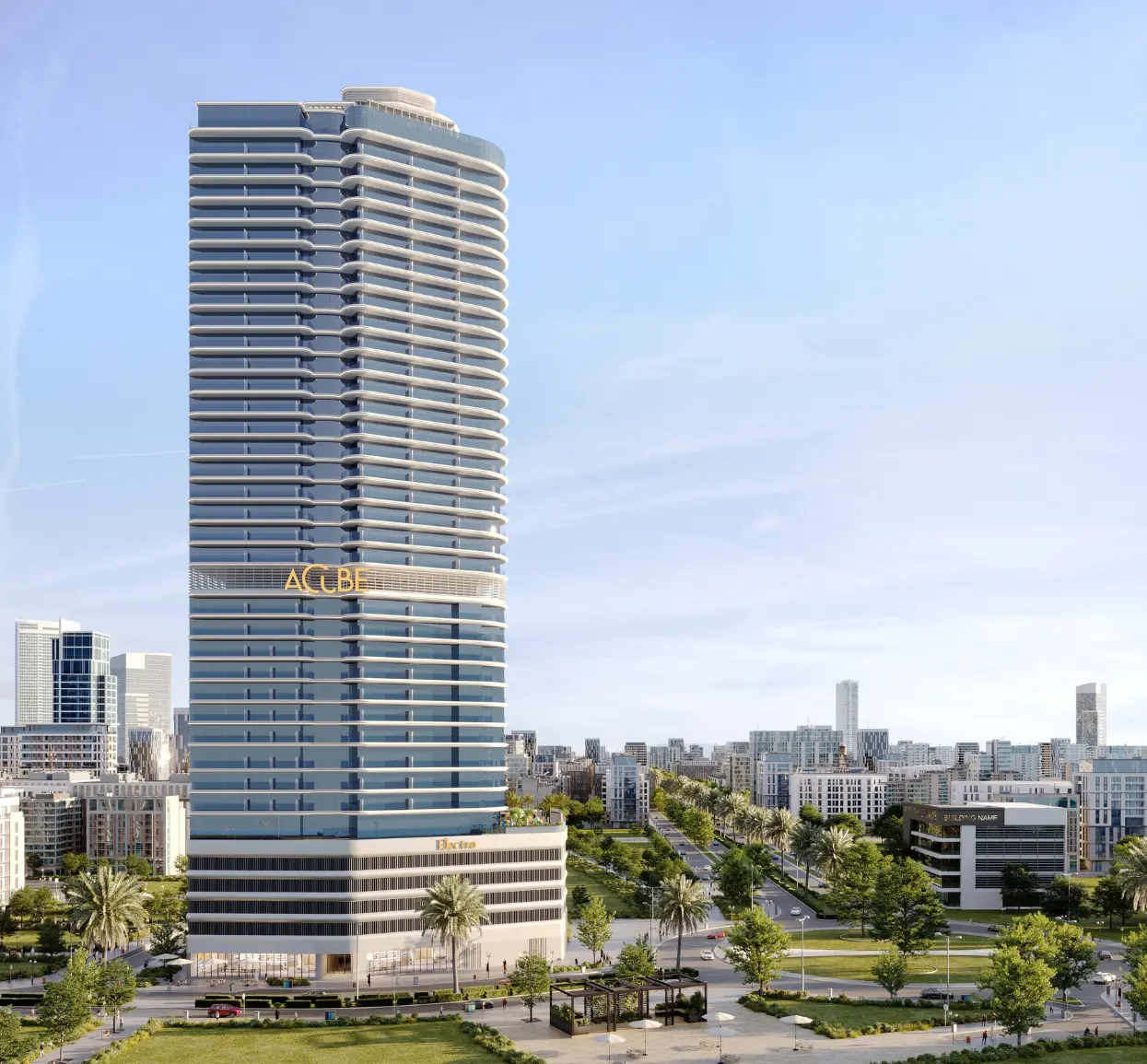
At Acube Developments, projects are designed with this in mind, balancing accessibility with long-term value.
Lifestyle Considerations
The choice between renting and buying is not purely financial, it’s also about how you want to live.
Renting suits those who:
- Value flexibility
- Are new to Dubai
- Have short-term plans
Buying suits those who:
- Plan to stay long-term
- Want to build assets
- Value stability and control
- Are focused on investment
Dubai is increasingly becoming a city where people choose to settle, not just pass through. Ownership reflects that shift.
Market Trends Supporting Buying
Several key trends continue to strengthen the case for buying property in Dubai:
- Population growth driving sustained housing demand
- Ongoing infrastructure and community development
- Strong international investor interest
- Government initiatives supporting long-term residency
- A visible shift from renting to ownership among residents
These fundamentals contribute to a market environment that supports long-term confidence and investment.
Renting vs Buying: A Long-Term Perspective
The decision to buy or rent property in Dubai ultimately comes down to time horizon.
- Short-term (1–3 years): Renting offers flexibility
- Long-term (5+ years): Buying delivers value
Over time, ownership shifts the equation, from paying for a place to live, to investing in something that grows with you.
Why Buying Is the Smarter Choice in Today’s Market
Dubai offers a unique environment where buying property is not just viable, it is advantageous.
With:
- Strong rental yields
- No annual property tax
- Long-term growth potential
- High global demand
Buying positions you to benefit from both immediate returns and future appreciation.
While renting serves a purpose, particularly in the early stages, it does not offer the same long-term advantages.
Choosing whether to buy or rent property in Dubai is ultimately about perspective.
Renting offers flexibility.
Buying offers opportunity.
For those looking beyond the immediate term, ownership provides a way to combine lifestyle with long-term financial value.
Explore Ownership with Acube Developments
At Acube Developments, each project is designed to deliver more than just a place to live, it’s an investment in how you live and what comes next.
Whether you're entering the market or expanding your portfolio, our developments are built around quality, planning, and long-term value.
Explore our latest projects and take the next step toward ownership in Dubai.


FAQs
It depends on your timeline. Renting suits short-term stays, while buying is typically better for long-term value, offering equity, stability, and potential returns.
Yes. Dubai offers strong rental yields, no annual property tax, and consistent demand, making it attractive for both income and long-term growth.
Yes. Foreign buyers can own property in designated freehold areas with full ownership rights.
In the short term, yes. Over time, buying can be more cost-effective as payments contribute toward ownership rather than ongoing rent.
Typical costs include a down payment, Dubai Land Department (DLD) fees, and any admin or agency charges.
Yes. Owners pay service charges for maintenance and community upkeep, which vary depending on the property.
Risks include market fluctuations and upfront investment. However, these are manageable with the right property and long-term approach.
No. Renting comes with risks such as rising rents, lack of stability, and no return on payments over time.
Yes. Owners can lease their property and generate rental income, making it a flexible investment.
Off-plan refers to properties purchased before completion, often with lower prices and flexible payment plans.
It depends. Off-plan offers better entry pricing and payment plans, while ready properties provide immediate use.
Buying is generally more beneficial if you plan to stay for at least 4–5 years or longer.
While markets fluctuate, Dubai has shown strong long-term growth, especially in well-planned communities and developments with strong design, location, and developer credibility.
Buying offers rental income, capital appreciation, and asset ownership, while renting does not generate returns.
Yes. Property ownership above certain values may make buyers eligible for long-term residency visas.
Yes. Both residents and non-residents can access mortgage options, subject to eligibility.
Properties in well-connected, high-demand areas with strong rental potential tend to perform best.
Dubai has a well-regulated market with strong demand drivers that support long-term stability.
The main advantage is building equity and long-term value instead of paying ongoing rent with no financial return.
Buying makes more sense when you have a long-term outlook and want to benefit from ownership and investment returns.